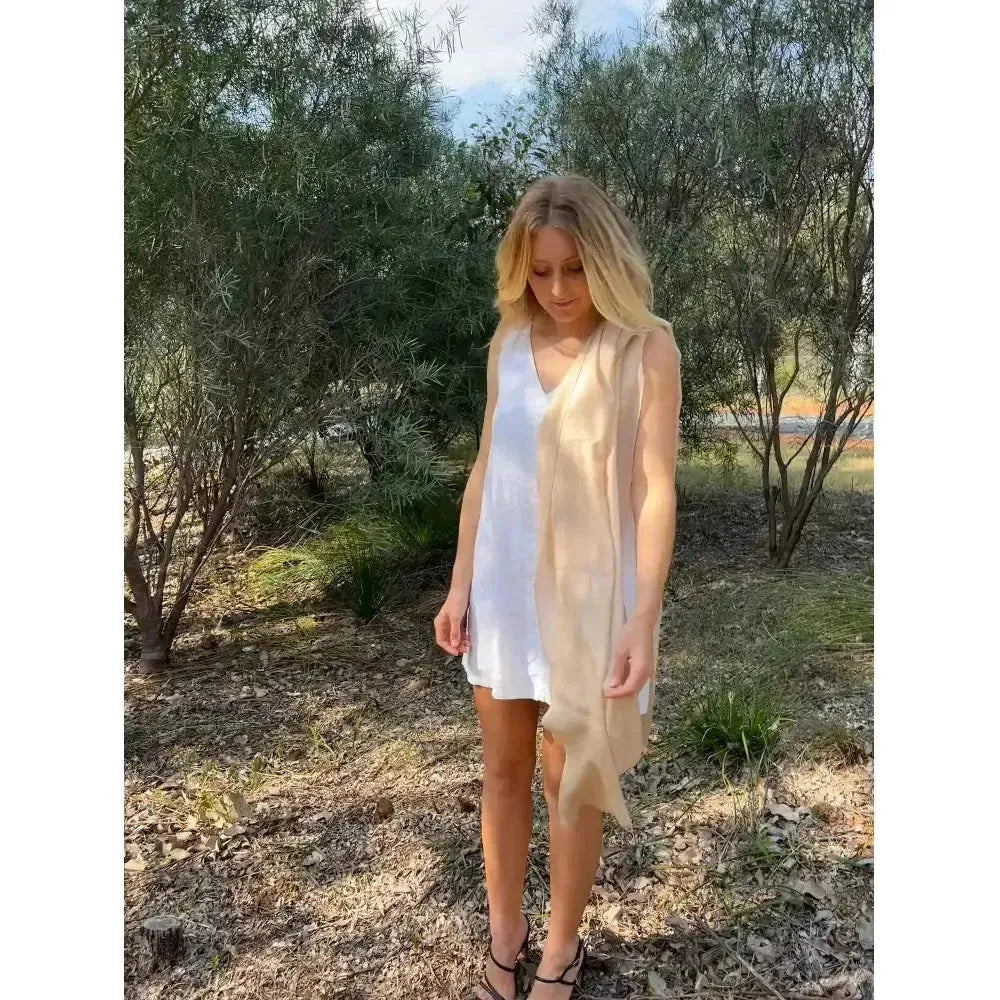

Affordable Luxury Scarves for Gift Giving
Table of Contents
- Quick Comparison: Our Top Affordable Luxury Scarves
- Why Affordable Luxury Scarves Make Exceptional Gifts
- Are Cheap Scarves Worth Buying Online
- How to Identify High Quality Scarf Fabric
- Styling Affordable Luxury Scarves for Different Occasions
- How to Care for Luxury Silk and Wool Scarves
- Finding the Right Scarf for Your Gift Recipient
- Conclusion
- Frequently Asked Questions
Last Updated: September 2, 2026
Quick Comparison: Our Top Affordable Luxury Scarves
Finding the perfect affordable luxury scarves for gift giving doesn't require choosing between quality and budget. The scarves we've curated balance premium materials, mulberry silk, cashmere blends, and pure cashmere, with price points that won't strain your wallet. Each piece below works as a standalone gift or layered into a wardrobe staple.
| Scarf | Material | Price | Best For | Key Feature |
|---|---|---|---|---|
| Pashmina Shawl Pink Salt | Wool blend | $125.00 | Wedding guests, everyday wear | Best seller; versatile drape |
| Soft Pink Rose Pashmina | Cashmere blend | $119.00 | Gift-givers on budget | Flattering rose tone |
| Luxury Shawl Oyster Shell | Cashmere silk | $199.00 | Formal occasions | Luminous grey; delicate fringe |
| Luxury Pure Cashmere Pearl White | Pure cashmere | $239.00 | Investment piece | 100% premium cashmere |
| Luxury Shawl Very Berry | Cashmere silk | $199.00 | Statement styling | Rich colour; handcrafted |
Why Affordable Luxury Scarves Make Exceptional Gifts
A quality scarf solves the gift-giving dilemma most people face: something personal enough to feel thoughtful, versatile enough to actually get worn, and substantial enough to justify the expense. Unlike trendy pieces that cycle out of favour, a well-made scarf in a timeless colour becomes a wardrobe anchor.

The difference between a cheap scarf and an affordable luxury one shows immediately in the hand. Premium fabrics drape differently, hold their shape through repeated wear, and age gracefully rather than pilling or losing elasticity. When someone wraps a quality pashmina or cashmere blend around their shoulders, they feel the investment, not in price, but in craftsmanship.
At Scarves Australia, gift recipients often return to tell us they wear their scarves far more than expected. A scarf that works across seasons, transitions from casual to formal, and pairs with multiple outfits becomes indispensable. That's the mark of genuine affordable luxury: the price feels reasonable in hindsight because the piece earns its place.
Are Cheap Scarves Worth Buying Online
This question cuts to the heart of online shopping anxiety. You can't feel the fabric through a screen, and shipping costs add friction to an already uncertain purchase. So when is it worth the risk?
Cheap scarves, those under $40, often disappoint because the materials don't justify the price. Synthetic blends pill within weeks. Loose weaves unravel. Colours fade after a single wash. The fringe comes undone. You end up with something that looks fine in photos but feels thin and insubstantial in hand. For gift-giving, that's particularly problematic: the recipient notices immediately.
The sweet spot for online scarf shopping sits between $100-$250. At this price, you're buying genuine materials, wool blends, cashmere, silk, not synthetic approximations. The construction improves: hand-rolled edges, tight weaves, quality dyes. Brands at this tier invest in customer experience because they expect repeat purchases and referrals.
When ordering scarves online, prioritise brands that provide detailed fibre content, weight specifications, and care instructions. Scarves Australia, for example, lists exact material blends and includes care guidance, signals that the brand stands behind what they're selling. Generous return policies matter too; if the colour doesn't suit you in person, you want an easy exit.
The real cost of a cheap scarf isn't the purchase price, it's the waste when it ends up unworn in a drawer.
How to Identify High Quality Scarf Fabric
Understanding fabric separates informed shoppers from impulse buyers. Three materials dominate the affordable luxury space: pashmina blends, cashmere, and silk-cashmere combinations.
Pashmina blends sit at the entry point to luxury. True pashmina comes from Himalayan goat wool, softer than standard wool but less rare than pure cashmere. When blended with other fibres, often wool or silk, it maintains softness while improving durability. A quality pashmina blend should feel smooth against your skin without scratching, drape with gentle weight rather than stiffness, and maintain its shape after wearing. The Pashmina Shawl Pink Salt at $125.00 represents this category well: soft enough for sensitive skin, substantial enough to provide real warmth.
Cashmere is where affordable luxury genuinely begins. Pure cashmere, harvested from Cashmere goats in the Himalayas, is finer and warmer than wool (peer-reviewed research). It's also more delicate, requiring gentle care. When shopping for cashmere, weight matters, a lighter cashmere (around 70-100 grams) drapes beautifully for layering, while heavier weights (150+ grams) provide serious warmth (peer-reviewed research). The Luxury Pure Cashmere Shawl in Pearl White at $239.00 uses 100% premium cashmere, which justifies the price through longevity: properly cared for, it lasts decades.

Cashmere-silk blends merge two premium fibres for a specific effect. Silk adds luminosity and a subtle sheen; cashmere adds warmth and softness. These combinations work beautifully for special occasions because they catch light without being shiny. The hand-rolled edges and delicate fringe on pieces like the Luxury Shawl Oyster Shell ($199.00) signal quality construction, machine-stitched edges fray; hand-rolled ones hold.
When evaluating online, look for these specifics: exact fibre percentages (not just "cashmere blend"), country of origin (Indian and Himalayan sources are traditional), and whether the brand mentions hand-finishing. Vague descriptions like "luxurious feel" or "premium quality" without material specifics often mask mediocre construction.
Styling Affordable Luxury Scarves for Different Occasions
The true value of a quality scarf emerges when you realise how many ways you can wear it. A single piece transitions from office to evening, casual to formal, summer to winter, depending on how you style it.
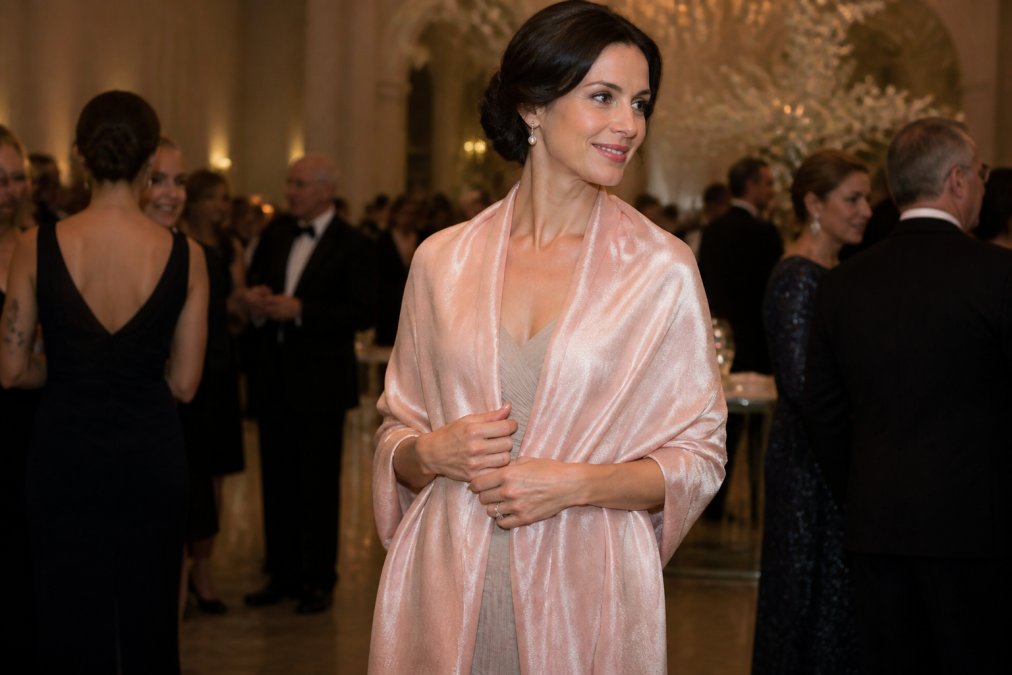
For formal events and weddings, drape the scarf loosely over your shoulders as a wrap. This works for both covering bare shoulders on a sleeveless dress and adding an extra layer of elegance. The Luxury Shawl Delicate Rose Crystal ($199.00) in its pale pink tone pairs beautifully with blush or ivory gowns. The silk-cashmere blend catches light subtly, adding dimension without competing with your outfit. Hand-rolled edges and delicate fringe signal intentionality, you're not just staying warm, you're completing a look.
For everyday layering, fold the scarf into a triangle and drape it over your shoulders, securing it with a simple knot or brooch. This works over cardigans, blazers, or dresses. The Pashmina Shawl Pink Salt ($125.00) works here because its neutral tone complements almost everything. Wool blend construction provides genuine warmth without bulk, so you're not adding volume to your silhouette.
For travel, the compact fold-ability of quality scarves becomes obvious. A pure cashmere or cashmere-silk piece packs small but provides substantial warmth, ideal for flights, trains, or unpredictable climates. The Luxury Pure Cashmere Shawl Pearl White ($239.00) comes with a storage pouch and folds into a small bundle without creasing permanently.
For adding colour, choose bold tones like the Very Berry Cashmere Silk Pashmina ($199.00). Drape it as a loose shawl over neutral outfits, black, grey, cream, to let the colour be the statement. This works particularly well when you want to express personality without overhauling your wardrobe.
The key insight: affordable luxury scarves earn their place because they work across contexts. A $30 scarf gets worn once for a specific outfit. A $150-$200 scarf becomes part of your regular rotation because it's versatile enough to justify the mental real estate.
How to Care for Luxury Silk and Wool Scarves
Premium fabrics demand different care than everyday knitwear. This isn't snobbery, it's practical maintenance that extends the life of your investment.
For pashmina and wool blends, gentle hand washing in cool water works best. Use a mild detergent formulated for delicate fabrics (standard laundry detergent can strip natural oils). Submerge the scarf, gently agitate for 2-3 minutes, rinse thoroughly in cool water until the water runs clear, then gently squeeze out excess water without wringing. Lay flat on a clean towel to dry away from direct sunlight. This process takes about 30 minutes of active time, plus 24-48 hours drying time.
For pure cashmere, professional dry cleaning is the safest option, though hand washing works if you're careful. If hand washing, use even cooler water and a cashmere-specific detergent. The risk with cashmere is felting, when heat and friction cause fibres to lock together, so minimise agitation. After washing, reshape the scarf while damp to maintain its original dimensions.
For cashmere-silk blends, treat them as you would pure cashmere. The silk component is delicate, and heat or harsh chemicals damage both fibres. Hand wash in cool water, use minimal agitation, and lay flat to dry.
Pilling, those small balls of fibre that form on the surface, happens to all natural fibres but doesn't indicate poor quality. Gently brush pilled areas with a soft-bristled brush or use a cashmere comb to remove them. Avoid fabric shavers, which can damage the underlying weave.
The reality: quality fabrics require more care than synthetics, but that care keeps them wearable for years. A $200 cashmere scarf worn 100 times over a decade costs $2 per wear; a $40 synthetic scarf worn 10 times before pilling and fading costs $4 per wear. The math favours investment.
Finding the Right Scarf for Your Gift Recipient
Choosing a scarf as a gift requires understanding how your recipient actually dresses. The most luxurious scarf sits unworn if it doesn't match their style.
Start by observing their colour palette. Do they wear warm tones (camel, rust, gold) or cool tones (grey, navy, silver)? The Soft Pink Rose Pashmina ($119.00) works for warm undertones; the Luxury Shawl Parchment Beige ($199.00) bridges both. If they're a bold dresser, the Very Berry ($199.00) gives them permission to go rich and saturated. If they favour neutrals, Pearl White pure cashmere ($239.00) adds luxury without disrupting their aesthetic.

Consider their lifestyle. Someone who travels frequently appreciates lightweight, packable options, cashmere-silk blends excel here. Someone who works in a formal environment might wear a scarf as a finishing touch to professional outfits; the Oyster Shell ($199.00) signals elegance without being obviously decorative. Someone who dresses casually might never wear a scarf unless it feels effortless; the Pink Salt ($125.00) works here because it's substantial enough to feel intentional but neutral enough to pair with anything.
Special occasion gift-givers: Luxury Shawl Oyster Shell ($199.00) or Delicate Rose Crystal ($199.00). The silk-cashmere blend and delicate fringe signal "special occasion" without being costume-like.
Investment gift-givers: Luxury Pure Cashmere Pearl White ($239.00) or Primrose Pink ($239.00). Pure cashmere justifies the price through longevity and the recipient recognises the quality immediately.
Presentation matters. Scarves Australia includes complimentary storage pouches with premium pieces, which elevates the unboxing experience. If you're gift-wrapping, tissue paper and a simple ribbon work better than heavy wrapping paper, you want the recipient to see the scarf's quality immediately.
One practical question: does the recipient already own scarves they don't wear? If yes, ask yourself why. Is the colour unflattering? Does the fabric feel cheap? Is it too heavy or too thin for their climate? A quality scarf solves these problems, but only if you've identified what went wrong with previous attempts.
Conclusion
Affordable luxury scarves for gift giving succeed because they occupy a genuine sweet spot: materials and construction that feel premium, price points that don't require justification, and versatility that ensures they actually get worn. The difference between a $40 scarf and a $150 one isn't just cost, it's durability, drape, and the confidence that comes from knowing you've chosen something genuinely good.
At Scarves Australia, we've built our collection around this principle. Pieces like the Pashmina Shawl Pink Salt ($125.00) and the Luxury Pure Cashmere Shawl Pearl White ($239.00) work because they combine authentic materials, wool blends, cashmere, silk, with thoughtful construction details like hand-rolled edges and delicate fringe. They're gifts that recipients actually wear, season after season.
Start with the Pashmina Shawl Pink Salt if budget is your priority. Move to the cashmere-silk blends if you want to signal "special occasion." Invest in pure cashmere if you're giving to someone who appreciates enduring quality. Each tier delivers genuine value, and each will be worn far more than a cheaper alternative.
Frequently Asked Questions
Q: Are affordable luxury scarves worth the investment?
A: Yes. Affordable luxury scarves from quality retailers like Scarves Australia deliver genuine value through premium materials, cashmere blends, mulberry silk, and hand-rolled edges, at prices between $119-$239. A well-made pashmina or cashmere silk shawl worn regularly over several years costs far less per wear than fast-fashion alternatives that pill, fade, or lose shape after a few washes. The key is choosing pieces made from authentic high-end fabrics rather than synthetic imitations.
Q: How can you tell if a scarf is high quality?
A: Look for these markers: pure or blended cashmere and silk (check the label), a soft hand-feel without pilling, hand-rolled or delicate fringed edges rather than machine-stitched hems, and consistent weight throughout the fabric. High-quality scarves have a graceful drape and maintain their shape after washing. Mulberry silk has a subtle luminous sheen; cashmere should feel featherlight yet warm. Avoid scarves with loose threads, uneven dye, or synthetic feel, these indicate lower quality construction.
Q: What does giving a scarf as a gift mean?
A: A scarf symbolises thoughtfulness, elegance, and personal care. It's a gift that says you've noticed the recipient's style and want to help them feel confident and beautiful. Scarves work across age groups and genders, suit most body types, and offer versatility, perfect for someone who values both practicality and aesthetic. Luxury scarves, in particular, signal that you see the recipient as someone worthy of refined, lasting quality.
Q: What are the best fabrics for a luxury gift scarf?
A: Cashmere and cashmere-silk blends are the gold standard for luxury gift scarves. Cashmere delivers unmatched softness, lightweight warmth, and longevity. Mulberry silk adds a subtle sheen and breathability, making cashmere-silk blends ideal for year-round wear and special occasions. Pashmina (a cashmere blend) offers similar luxury at slightly lower price points. Avoid pure wool blends for gifts unless the recipient specifically loves wool; they tend to feel heavier and less refined.
Q: Are scarves considered a timeless gift choice?
A: Absolutely. Scarves transcend seasonal trends and fashion cycles, making them one of the most reliable timeless gifts. A quality cashmere or silk shawl in a neutral tone, pearl white, soft pink, or oyster grey, will never look dated. The scarf's versatility means it works across age groups, professions, and personal styles. Seasonal trends for 2026 favour rich berry tones and soft pastels, but classic neutrals remain eternally elegant, ensuring your gift stays cherished for years.