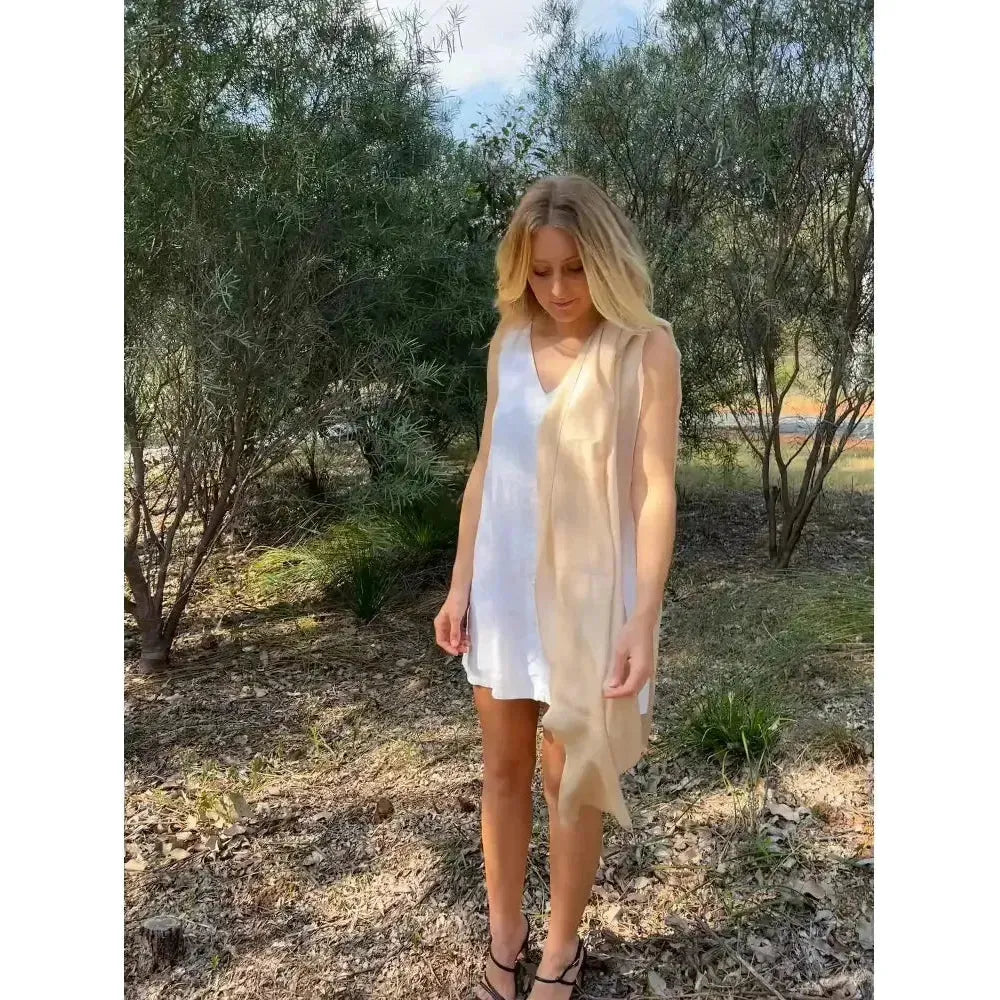

Are Silk Scarves Worth It for Daily Wear?
Table of Contents
- Why Silk Scarves Appeal for Everyday Wear
- Silk vs Cotton Scarves: Material Comparison
- Best Scarf Material for Everyday Wear
- How to Care for a Silk Scarf You Wear Daily
- Durability and Cost-Per-Wear Reality
- Silk Scarf Outfit Ideas for Everyday Styling
- The Real Trade-Offs of Daily Silk Scarf Wear
- Is a Silk Scarf Worth the Investment?
- Frequently Asked Questions
Last Updated: October 14, 2026
Why Silk Scarves Appeal for Everyday Wear
Silk scarves have become a wardrobe staple for adding colour and elegance without effort: a single accessory can transform a basic outfit into something polished. But the question isn't whether they look good, the real question is whether are silk scarves worth it for daily wear when you consider practicality.
Silk feels luxurious and looks effortless, but it demands more care than cotton or synthetics. Understanding whether silk scarves are worth it for daily wear means weighing that luxury against the time and attention they require, the answer depends on your lifestyle, budget, and willingness to care for delicate fabrics.
Silk has genuine advantages beyond aesthetics: it breathes better than most synthetics, drapes elegantly, and feels pleasant against skin. But these qualities come with trade-offs many buyers discover only after the first wash.
Silk vs Cotton Scarves: Material Comparison
Cotton and silk are the two most common scarf materials, and they behave very differently in daily wear. Cotton is forgiving, tolerates rough handling and aggressive washing, and costs far less.
The difference comes down to fibre structure. Cotton is a sturdy, absorbent plant fibre. Silk is a protein fibre from silkworms, giving it a smooth surface and natural lustre, which is why it feels pleasant and reduces friction against hair and skin.
Silk regulates temperature naturally, making it comfortable across seasons. Cotton breathes well but absorbs moisture rather than wicking it away. For everyday wear in varying conditions, silk's temperature regulation is genuinely noticeable.
Durability is where cotton wins decisively. Cotton scarves survive repeated washing, snags, and casual handling; silk requires careful storage, gentle washing, and protection from sunlight. A cotton scarf might last years of rough treatment, while silk demands respect to reach that lifespan.
Cost-per-wear changes the calculus. A cotton scarf at Scarves Australia costs considerably less, but if you wear a silk scarf regularly and care for it properly, the daily cost spreads across years of use, the investment becomes more reasonable the more frequently you wear it.

Best Scarf Material for Everyday Wear
Choosing the best material depends on your situation, not abstract quality rankings. Silk wins for comfort, appearance, and hair protection. Cotton wins for durability and low maintenance. Synthetics are affordable and durable but sometimes lack the comfort and visual appeal of natural fibres.
Comfort and Feel Against Skin
Silk feels noticeably smoother than cotton or synthetics. That smoothness affects how the scarf interacts with skin and hair: tied around your neck, it glides rather than grips, and against bare skin the difference is immediate.
Cotton feels textured by comparison, its slightly rough fibres catch and hold moisture, which can cause minor irritation for sensitive skin over hours of wear. Silk's smooth protein structure eliminates that problem.
The Paisley Carnival Blush Pink Pure Silk Scarf from Scarves Australia exemplifies this comfort advantage. The 100% pure silk construction means the scarf maintains that silky feel against skin throughout the day, without the slight friction that cotton creates.

Breathability and Temperature Regulation
Silk regulates temperature in ways cotton and synthetics struggle to match. Its protein structure lets air circulate while maintaining warmth: in summer it feels cooler than the same weight in cotton, and in cooler months it provides gentle warmth without overheating.
Cotton absorbs moisture but holds sweat against your skin rather than letting it evaporate. In variable climates especially, silk's temperature regulation is a practical advantage you notice repeatedly.
Synthetic scarves often trap heat entirely. They don't breathe, so they feel uncomfortable when warm and provide little warmth when cool, useful for neither season.
Hair Protection and Reduced Friction
Silk delivers a measurable practical benefit here: its smooth surface creates minimal friction with hair, meaning less breakage, frizz, and disruption to your hairstyle. Cotton's textured surface catches hair fibres, causing damage over time.
For people wearing hair up or in styles that need protection, silk scarves genuinely matter: reduced friction means your hairstyle lasts longer and your hair suffers less cumulative damage.
The Fuchsia Jewel Pure Silk Elephant Paisley Scarf's 100% pure silk construction delivers this benefit consistently. Wearing it as a hair wrap or headscarf means your hairstyle stays intact and your hair stays healthier than it would with cotton alternatives.
How to Care for a Silk Scarf You Wear Daily
Care requirements are the primary barrier to daily silk scarf wear. Improper care will damage the fabric and shorten its lifespan, but once understood, the process becomes routine rather than burdensome.
Washing and Stain Removal
Silk requires gentle hand washing in cool water; machine washing, even on delicate cycles, can damage the fibres, and hot water weakens silk and sets stains. Hand wash with mild detergent, rinse thoroughly, and lay flat to dry.
Address stains quickly, fresh stains lift more easily than set ones. Blot rather than rub, since rubbing pushes stains deeper. For oil-based stains, a little mild dish soap helps, but test on an inconspicuous area first; for water-based stains, cool water alone often works.
Never wring or twist a silk scarf when wet, damp fibres are weaker and wringing can permanently damage them. Gently squeeze out excess water and lay the scarf flat on a clean towel to dry.
Storage and Longevity
Storage affects how long a silk scarf lasts. Silk degrades in prolonged direct sunlight, so store scarves in a cool, dark place. Avoid plastic bags, which trap moisture and cause mildew, use cotton bags or fold scarves in a drawer.
Folding matters more than you'd expect: tight rolling can crease the fabric permanently, so fold gently into thirds or quarters. Use the storage pouches many silk scarves come with, they protect against dust and light damage.
Proper storage directly extends lifespan: a correctly stored silk scarf can last decades, while one kept in plastic or exposed to sunlight may deteriorate noticeably within a few years.
Care Task |
Frequency |
Duration |
Impact |
|---|---|---|---|
Hand washing |
Every 3-4 wears |
10 minutes |
Removes dirt, extends lifespan |
Air drying flat |
After washing |
2-4 hours |
Prevents damage from wringing |
Gentle folding |
Before storage |
2 minutes |
Prevents permanent creases |
Sunlight check |
Monthly |
1 minute |
Prevents fading and degradation |
Durability and Cost-Per-Wear Reality
A silk scarf at Scarves Australia costs between $100 and $199.00, a genuine investment for an accessory. The question is how many wears it takes before the cost-per-wear becomes reasonable.
Pure Silk Square Scarf - Emerald Jewel →
Worn twice a week, that's roughly 100 wears per year, 500 over five years, or about $0.26 per wear at $129.00. Worn daily, 365 wears per year means $0.35 per wear in year one, dropping to $0.07 over five years.
Cotton scarves cost less upfront but wear out faster. A $40 cotton scarf might survive 200-300 wears, roughly $0.13-$0.20 per wear, which seems cheaper until it becomes unwearable and needs replacing.
When properly cared for, silk wins on durability: it can last 10+ years, while a cotton scarf in daily wear might last 2-3.
The real trade-off: silk requires commitment. Wear it enough to justify the cost and care for it properly to reach that lifespan.
Silk Scarf Outfit Ideas for Everyday Styling
Versatility is silk scarves' greatest strength for daily wear: a single scarf works across dozens of outfit combinations, multiplying the effectiveness of your wardrobe.

Casual Everyday Looks
For casual wear, simplicity works best. A silk scarf loosely tied over a basic white shirt instantly elevates the outfit without looking overdressed, avoid tight knots, since loose, flowing arrangements feel more natural day to day.
Pairing a scarf with denim is deceptively effective, the contrast between casual denim and luxurious silk creates visual interest. Try the Pure Silk Square Scarf in Emerald Jewel over a white tee and jeans; its emerald green and deep pink tones add colour without clashing with denim's blue.
Scarves also work as handbag accessories: knot one around your bag's handle for a pop of colour with zero outfit planning. It's perhaps the easiest way to incorporate silk into daily wear.
Day-to-Evening Transitions
Silk scarves excel at transforming outfits for different contexts: wear one loosely during the day, then tie it more formally for evening plans, and the same scarf and outfit feel appropriate across both.
Draping a scarf over your shoulders like a shawl creates an instant evening aesthetic. The Turquoise Dreams Lavender Silk Square Scarf works particularly well, its soft lavender and turquoise palette suits both casual and formal contexts and pairs beautifully with neutral evening wear.
In workplace settings, a silk scarf signals attention to detail without looking overdressed. Tied neatly at the neckline over professional separates, the same scarf and outfit work for client meetings, casual Fridays, and after-work events.
The Real Trade-Offs of Daily Silk Scarf Wear
An honest assessment requires acknowledging what daily silk wear costs you: the material genuinely is high-maintenance compared to alternatives, a practical reality that affects daily life.
Care takes time: hand washing takes 10 minutes, drying flat takes space, and careful folding takes attention. Over a year of regular wear these small tasks accumulate, worthwhile for some, tedious for others.
Stain anxiety is real. Silk shows marks more visibly than cotton and some stains are hard to remove, so if you worry about spilled coffee or rain, silk creates genuine stress.
Silk also costs more upfront. The $129.00 price point for Scarves Australia's pure silk scarves represents a genuine barrier for some budgets but for comfort style and longevity we think is a worthwhile investment🩷

Fuchsia Jewel – Pure Silk Elephant Paisley Scarf
The versatility advantage assumes you'll style scarves multiple ways.
Is a Silk Scarf Worth the Investment?
The honest answer depends on your situation.
For occasional scarf wearers, those who prefer low-maintenance accessories, or those on limited budgets, silk might not be right.
The decision hinges on three questions: Do you wear scarves often enough to justify the investment? Can you commit to gentle care without frustration? Does silk's comfort and appearance matter enough to warrant the extra attention?
If you answer yes to all three, a silk scarf from Scarves Australia represents a worthwhile investment.
If you're uncertain about daily silk wear, start with one scarf in a colour that genuinely excites you and wear it regularly for a month.
Silk scarves genuinely offer advantages for daily wear, comfort, durability, and visual impact that synthetics struggle to match, but they're not right for everyone.
Frequently Asked Questions
Are silk scarves practical for everyday wear?
Yes, silk scarves work well for daily wear if you're willing to handle their care requirements. They're lightweight and breathable, making them comfortable for extended wear. However, they need gentle washing and careful storage to maintain their quality. Pure silk at $129 per scarf is an investment that pays off through cost-per-wear if you actually style it regularly rather than letting it sit in a drawer.
How do you care for a silk scarf you wear often?
Hand wash pure silk scarves in cool water with mild detergent, then lay flat to dry. Avoid wringing or twisting. For stains, treat them immediately with cool water before washing. Store in a breathable pouch away from direct sunlight to prevent fading. Proper care extends the lifespan significantly and keeps the fabric soft and lustrous.
What is the best scarf material for everyday wear?
Pure silk offers the best balance of comfort, breathability, and versatility for daily wear. It's lightweight enough for all seasons, regulates temperature naturally, and feels luxurious against the skin. Cotton is a practical budget alternative, though it lacks silk's drape and hair-protective qualities. Synthetic blends are durable but don't breathe as well and can feel less refined.
Is a silk scarf worth the price?
At $129 per scarf, pure silk becomes worthwhile when you wear it regularly. Calculate cost-per-wear: if you style a scarf 100 times per year, that's about $1.29 per wear. The investment justifies itself through durability (lasting years with proper care), versatility (endless styling options), and tangible benefits like hair protection and comfort. However, if scarves sit unused in your drawer, any price is too high.