
How to Choose Quality Pashmina Shawls: A 2026 Guide
Table of Contents
- What Defines a Quality Pashmina Shawl?
- Real vs Fake Pashmina Test: 5 Checks That Matter
- Weave, Weight, and Finish: Reading the Craftsmanship
- Price-to-Quality Correlation: What Your Budget Buys
- How to Style a Pashmina Shawl for Any Occasion
- Pashmina Care and Maintenance Tips for Longevity
- Choosing Your Pashmina: Practical Takeaways
- Frequently Asked Questions
Last Updated: September 4, 2026
What Defines a Quality Pashmina Shawl?
A quality pashmina shawl is a handwoven accessory made from the fine undercoat of the Changthangi goat, prized for its exceptional softness, warmth, and lightweight drape. The term "pashmina" refers specifically to this fibre, which measures roughly 12 to 16 microns in diameter, notably finer than standard cashmere (peer-reviewed research). At Scarves Australia, we believe understanding these technical markers separates a discerning purchase from a costly mistake.
Authentic pieces feel almost impossibly light yet provide noticeable insulation. When you hold a genuine shawl, it should slip through a wedding ring with ease, a traditional test for fineness. The surface should show a soft, natural luster rather than an artificial shine, and the weave should feel consistent under your fingertips. Before you spend money, learn what you are feeling for; this guide from Scarves Australia walks you through the checks that matter most.
Real vs Fake Pashmina Test: 5 Checks That Matter
Most mass-market "pashminas" are actually synthetic blends of viscose, polyester, or standard wool. Learning how to choose quality pashmina shawls begins with these five reliable checks you can perform anywhere.
- The Burn Test: Pull a few loose fibres from the fringe. Authentic animal fibre smells like burnt hair and crumbles to ash. Synthetic fibre melts into a hard plastic bead with a chemical odour.
- The Touch Test: Genuine pashmina feels warm and soft, never slippery or cold like synthetics.
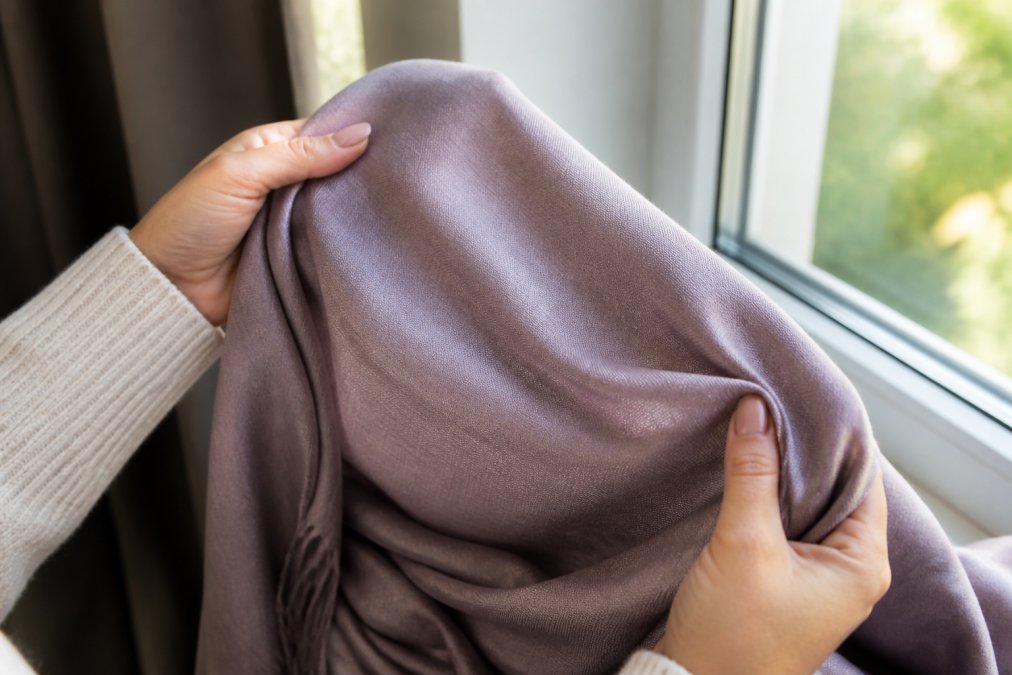
- The Squeeze Test: Crumple the fabric in your fist. Quality pashmina barely wrinkles and springs back quickly.
- The Light Test: Hold it to the light. Handwoven pieces show subtle, irregular weave consistency; machine-made items look perfectly uniform.
- The GI Mark Check: Look for certification or labelling indicating authentic Kashmiri sourcing, though absence does not always mean fake.
The Burn Test: What Authentic Fibres Do
The burn test remains the most definitive home check. Always test fibres from the fringe, never the main body, to avoid damaging the shawl. A genuine pashmina fibre will curl away from the flame, smell like burning hair, and leave a soft grey ash. This reaction confirms protein-based animal fibre. If the fibre melts, drips, or smells like plastic, you are holding a synthetic blend, regardless of what the label claims.
Weave, Weight, and Finish: Reading the Craftsmanship
The construction method is the single most telling sign of a genuine pashmina, and it is visible in the weave pattern itself. Handwoven pashmina is produced on a traditional pit loom, a process that yields a fabric with subtle, organic irregularities. Machine-made shawls, by contrast, are woven on power looms that produce a perfectly uniform, almost mechanical grid.
How to Read the Weave:
- Hold the shawl up to a strong light source. Look closely at the interlocking of the warp (lengthwise) and weft (crosswise) threads. In a handwoven piece, you will see slight, almost imperceptible variations in the spacing and tension of these threads. This is not a flaw; it is the fingerprint of the artisan's hand. A machine-made shawl will show a perfectly regular, repeating pattern with no variation whatsoever.
- Run your thumb and forefinger across the surface. A handwoven fabric has a slightly irregular, textured feel, like a fine linen. A machine-made piece will feel perfectly smooth and uniform, almost slick.
- Examine the selvedge (the finished side edges). On a handwoven shawl, the selvedge is often a distinct, tightly woven band that is slightly denser than the main body of the fabric. This is created by the weaver to prevent fraying. Machine-made shawls often have a selvedge that is fused or cut, which can look and feel thinner.
The weave density also matters. A tightly woven shawl will be more durable and resistant to pilling. To test density, hold the fabric up to the light again. If you can see large, obvious gaps between the threads, the weave is loose, and the shawl will likely stretch and pill quickly. A quality pashmina should have a dense, opaque weave that still allows a soft, diffused light to pass through.
Weight and Warmth: A Matter of Microns, Not Mass
Weight is a common point of confusion. A standard quality pashmina shawl typically weighs between 100 and 150 grams. However, the warmth you feel is not a function of this weight. The insulation comes from the trapped air between the ultra-fine fibres (12-16 microns). The finer the fibre, the more air it can trap, and the warmer it feels for its weight. This is why a 120-gram pashmina can feel significantly warmer than a 200-gram shawl made from coarser, standard wool.
Fringe and Finishing: The Final Signature
Examine the fringe closely. On a handwoven shawl, the fringe is an extension of the warp threads themselves. They are individually hand-twisted or hand-knotted, which results in a slightly uneven, organic look. The knots, if present, will be secure and tight. Machine-made fringes are often applied separately and can be uniform, fused, or even glued. A simple test: gently tug on a few individual fringe strands. On a quality handwoven piece, they should feel firmly anchored. On a machine-made piece, they may pull out easily or feel brittle.
Finally, look at the overall finish. A quality pashmina will have a clean, crisp edge and a soft, natural lustre that comes from the fibre itself, not a chemical treatment. If the shawl has an obvious synthetic shine or feels coated, it is a red flag. verifying fabric drape.
Price-to-Quality Correlation: What Your Budget Buys
Price is the most reliable filter for quality, but only when you understand the cost structure behind a genuine pashmina. The final price is not arbitrary; it is the sum of raw materials, labour, and time. When a price seems too good to be true, it is because one of these components has been compromised.
The Cost Breakdown of a Handwoven Pashmina:
- Raw Material: The undercoat of the Changthangi goat is scarce. Each goat produces only 80-170 grams of raw fibre per year, and after dehairing (separating the fine undercoat from the coarse outer hair), only about 40-60% remains usable for weaving (fao.org). This scarcity is the primary driver of cost.
- Artisan Labour: A single shawl requires weeks of work. The fibre must be hand-spun, then woven on a pit loom. A skilled weaver produces only a few centimetres of fabric per day. The labour cost alone for a handwoven shawl is substantial.
- Time: From raw fibre to finished shawl, the process can take several weeks. This time is a cost in itself.
What Your Budget Actually Buys (A Market-Wide View):
- Under $50: This price point cannot cover the cost of raw pashmina fibre, let alone the labour. You are almost certainly buying a synthetic blend (viscose, polyester, acrylic) or, at best, a machine-knit shawl made from standard wool. These will lack the warmth, softness, and drape of genuine pashmina and will likely pill and lose shape quickly.
- $80 - $150: This is the entry-level zone for genuine pashmina, but it is also the zone of the 'pashmina blend'. A shawl at this price may contain a percentage of pashmina mixed with silk or fine wool. While it can feel soft, it will not have the same insulating properties or longevity as a pure, handwoven piece. It is also the price range where you will find machine-woven pashmina, which is softer than synthetics but lacks the artisan quality of a handwoven piece.
- $150 - $300: This is the realistic starting point for a genuine, handwoven pashmina shawl. At this price, you are paying for the raw fibre, the artisan's time, and the quality of the weave. You should expect to see the characteristics described in the previous section: an irregular handwoven weave, a soft natural lustre, and a weight between 100-150 grams. This is also the price range where you are more likely to find pieces with credible GI (Geographical Indication) certification or traceable sourcing.
- $300+: This is the premium tier for investment-grade pieces. This includes shawls made from the finest, most consistent fibre, those with intricate hand-embroidery (which can take months), or those from highly regarded, established weaving houses. Here, you are paying for rarity, artistry, and heirloom quality.
The 'Too Good to Be True' Red Flag
A common pattern in the market is the 'bargain pashmina' sold for $40-$60. The economics simply do not work. If the raw fibre alone costs more than the retail price, the product cannot be genuine. This is not a matter of finding a good deal; it is a matter of understanding that the label is likely misleading. When you see a price that is significantly below the market norm, treat it as a warning sign, not an opportunity. A quality pashmina is a luxury item, and its price reflects the genuine cost of its creation.
How to Style a Pashmina Shawl for Any Occasion
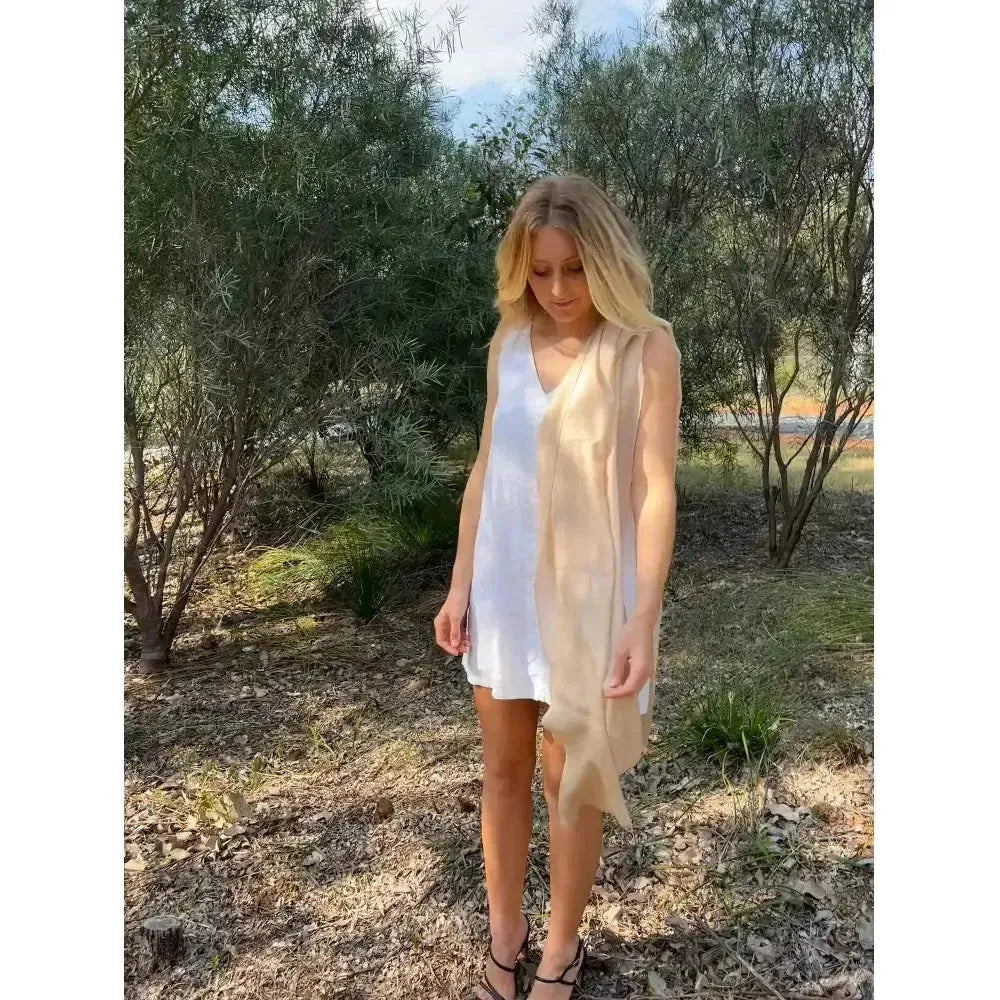
A quality pashmina is one of the most versatile pieces you can own, elevating everything from jeans to formal wear. For a casual daytime look, drape it loosely over your shoulders with a simple knot at the chest. This adds colour and texture without looking overdressed.
For weddings or evening events, fold the shawl diagonally into a triangle and let it sit elegantly on your shoulders, secured with a brooch if desired. The lightweight nature of quality pashmina means it won't slip off constantly, a common frustration with cheaper fabrics. Men can also style a pashmina as a warm scarf, folded lengthwise and looped once. The deep red wine or dark forest green shades work particularly well for winter occasions, while a soft pink rose adds a feminine touch to spring outfits.

Pashmina Care and Maintenance Tips for Longevity
Proper care extends the life of your pashmina significantly, and these pashmina care and maintenance tips are essential for preserving its softness. Always hand wash in cold water using a mild wool detergent (the CDC). Never wring or twist the fabric; gently press the water out and lay it flat on a towel to dry.
Avoid hanging your pashmina, as the weight stretches the fibres. Instead, fold it and store it in a breathable cotton bag. Moths are a genuine threat to animal fibres, so add a natural cedar block or lavender sachet to your storage area. With correct storage and seasonal preservation, a quality shawl can last decades. For minor wrinkles, use a cool iron with a cloth barrier, or simply hang it in a steamy bathroom. Avoid frequent washing; most pashminas only need cleaning a couple of times per season.
Choosing Your Pashmina: Practical Takeaways
Knowing how to choose quality pashmina shawls comes down to trusting your senses and understanding the craftsmanship. Prioritise handwoven construction, check the fibre content, and be realistic about price. A genuine shawl should feel warm, lightweight, and soft, with a natural sheen and consistent weave.
At Scarves Australia, we curate a boutique collection of luxury scarves and pashminas designed for both men and women. Our range includes the timeless [Black Pashmina(/products/black-pashmina-scarf-cashmere) Shawl Classic Scarf | scarvesaustralia.com.au] and the versatile Soft Pink Rose Pashmina Shawl, both priced at $119 to $125. Each piece is selected for its quality and affordability, helping you feel stylish and confident with every wear. Whether you are dressing for a wedding or adding a touch of warmth to your daily commute, we make it simple to find a wrap you will reach for time and again.
Frequently Asked Questions
How can I tell if a pashmina shawl is genuine?
Run through a few checks: feel the texture for extreme softness, examine the weave for tight consistency, and look for a natural lustre rather than a shiny synthetic finish. The burn test remains the most reliable at-home check: genuine pashmina fibres burn to a fine ash with a hair-like smell, while synthetics melt into a hard bead. When shopping, buy from a seller that clearly labels fibre content and offers transparent product details.
How much should I expect to pay for a high-quality pashmina?
A genuine quality pashmina shawl typically costs between $100 and $300 AUD. Scarves Australia's pashmina shawls are priced from $119 to $135 AUD, which reflects a wool blend with the softness and drape of a quality wrap. If a pashmina is priced below this range, it is likely a synthetic blend such as viscose or polyester, so inspect the label carefully before purchasing.
What is the difference between pashmina and regular cashmere?
Pashmina refers to cashmere wool sourced from the undercoat of the Changthangi goat in the Kashmir region. The fibres are finer and shorter, typically measuring 12-16 microns, which produces a softer, lighter shawl. Regular cashmere can come from other goat breeds and often has a slightly coarser feel at 15-19 microns. Both are luxury fibres, but pashmina is prized for its exceptional softness and warmth-to-weight ratio.
How should I wash and store my pashmina shawl?
Hand wash your pashmina in cool water with a gentle wool detergent, and never wring or twist the fabric. Press out excess water and lay it flat on a towel to dry, away from direct sunlight. For storage, fold the shawl and place it in a breathable cotton bag to protect it from moths, and avoid hanging it, as this can stretch the fibres and distort the shape over time.
Does the weave pattern affect the quality of a pashmina shawl?
Yes, the weave is a strong indicator of quality. A genuine handwoven pashmina shows a tight, uniform weave with consistent warp and weft threads, and a soft, twill-like texture. Machine-made shawls often have a looser, more irregular weave that pilling more quickly. Look at the edges and fringe: a quality shawl has evenly finished fringes that are hand-knotted rather than simply cut.
Finding a shawl that balances authenticity, craftsmanship, and price takes patience, but the reward is a piece that serves you for years. Scarves Australia offers a wide variety of fabrics and colours, from classic block shades to elegant neutrals, all at accessible prices. Browse our boutique range today and add a touch of timeless elegance to your wardrobe.